
How to Get Rid of Silverfish: Identification, Causes and What to Do
Silverfish are small, fast-moving insects commonly found in dark, humid and undisturbed areas of the home. One sighting does not necessarily mean there is a large infestation, but repeated activity may indicate excess moisture, accessible food materials or suitable hiding places nearby.
What should you do first? Check the affected area for leaks, condensation and damp, then vacuum thoroughly, reduce clutter and monitor nearby edges and concealed spaces for further activity.
This guide explains how to identify silverfish, why they appear and the practical steps you can take to clean, dry and monitor the affected area.
What Are Silverfish?
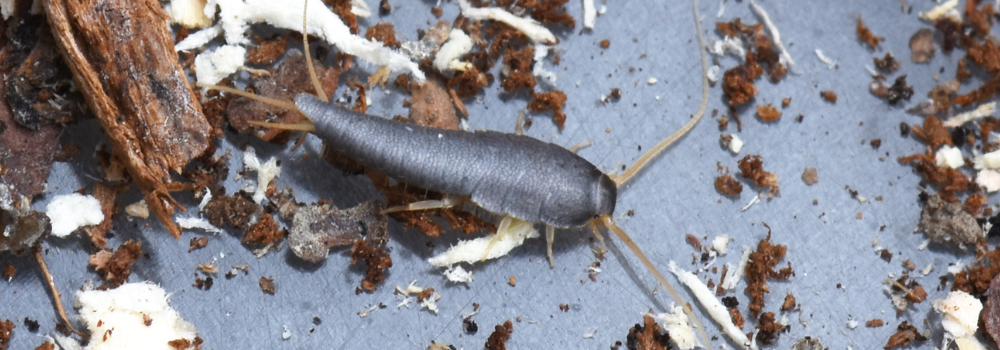
Silverfish are wingless insects with tapered bodies, long antennae and three tail-like filaments. Their silver-grey scales and quick, fish-like movement give them their name.
They are mainly active at night and often hide during the day in cracks, behind skirting boards, beneath stored items and inside other concealed spaces.
Why Do Silverfish Appear in UK Homes?
Silverfish need access to moisture, shelter and suitable food materials. They are commonly associated with areas that remain humid or undisturbed for long periods.
Common contributing conditions include:
- leaks, condensation or persistent damp
- poor ventilation
- cardboard boxes and paper storage
- dust, lint and food crumbs
- glue, wallpaper paste and starch-based materials
- cluttered or rarely disturbed storage areas
Silverfish may feed on paper, cardboard, adhesives, starch, dust, organic debris and some stored materials.
Where Are Silverfish Commonly Found?
Silverfish may be found in many parts of a home, including:
- bathrooms and utility rooms
- kitchens and cupboards
- cellars, lofts and garages
- wardrobes, drawers and storage rooms
- behind skirting boards and furniture
- near pipes, sinks and damp walls
The location of the activity can help identify the underlying moisture source and the most suitable areas to inspect and monitor.
Signs of Silverfish Activity
The clearest sign is seeing a silver-grey insect moving quickly when a dark or stored area is disturbed.
Other possible signs include:
- scraped marks on paper or cardboard
- damage around labels, wallpaper or glued materials
- yellowish marks on stored items
- activity near cracks, corners and skirting boards
- repeated captures on monitoring traps
Damage to clothing alone does not confirm silverfish. Clothes moth larvae and carpet beetle larvae are more commonly associated with holes in wool, cashmere and other animal-based fibres.
Common and Long-Tailed Silverfish
Not every silverfish-like insect found indoors is the same species. Common silverfish are more strongly associated with humid areas, while long-tailed silverfish may also be found in drier rooms and wider areas of a building.
For a detailed comparison, read our guide to types of silverfish in the UK.
How to Deal With Silverfish in the Home
1. Find and reduce moisture
Check for leaking pipes, condensation, damp walls and poorly ventilated rooms. Repairing the moisture source is one of the most important long-term steps.
2. Clean and vacuum thoroughly
Vacuum along skirting boards, under furniture, behind appliances and inside storage spaces. Remove dust, crumbs, lint and debris that may provide food or shelter.
3. Reduce clutter
Remove unnecessary paper, cardboard and long-term storage materials, particularly in damp or undisturbed areas.
4. Store suitable items securely
Keep dry foods in sealed containers and consider replacing damaged cardboard boxes with clean, closed storage containers.
5. Seal accessible gaps
Where practical, seal cracks around skirting boards, pipe openings, shelves and other likely hiding places after the area has been inspected and cleaned.
6. Monitor the affected area
Use suitable adhesive monitoring traps according to the product instructions. Traps can help confirm activity and show which areas should be inspected more closely.

How Silverfish Monitoring Traps Can Help
Monitoring traps can help identify where silverfish are moving and whether activity continues after cleaning and moisture improvements.
Useful placement areas may include:
- along skirting boards
- under sinks and near pipework
- behind appliances or furniture
- inside suitable cupboards or storage areas
- near places where silverfish have been seen
Always follow the placement and replacement instructions shown on the product label. Monitoring traps help detect activity but should not be treated as the only response to widespread or persistent activity.
View the silverfish monitoring trap for product-specific information and instructions.
Silverfish in Wardrobes and Clothing Storage
Silverfish found near clothing may be associated with cardboard boxes, paper labels, dust, damp conditions or long-undisturbed storage. Clothing damage should also be checked for signs of clothes moth or carpet beetle larvae.
For wardrobe-specific inspection and storage advice, read Silverfish in Your Wardrobe: Signs, Clothes Damage and What to Do.
Swedish Red Cedar and Storage Care

Swedish red cedar products can form part of a regular wardrobe, drawer and storage-care routine.
Cedar oil may be used to refresh suitable cedarwood products and maintain their characteristic aroma. Follow the product instructions, avoid direct application to clothing unless supported by the label and test delicate surfaces before use.
Explore our silverfish products and monitoring options.
How to Reduce the Chance of Silverfish Returning
- repair leaks and investigate persistent damp
- improve ventilation where practical
- vacuum edges, cracks and concealed areas regularly
- avoid storing damp items
- reduce unnecessary cardboard and paper clutter
- keep food and suitable stored materials sealed
- continue monitoring areas where activity was previously found
Silverfish Management Methods Overview
| Method | Purpose |
|---|---|
| Moisture management | Addresses damp conditions associated with silverfish activity |
| Cleaning and vacuuming | Removes dust, debris and accessible food materials |
| Reducing cardboard and clutter | Removes potential shelter and feeding materials |
| Sealing gaps | Reduces access to cracks and concealed hiding places |
| Monitoring traps | Helps detect and track activity |
Storage-care note: Swedish red cedar products are intended for wardrobe, drawer and storage care and should not be treated as equivalent to moisture management, cleaning or monitoring.
When to Consider Professional Help
Consider contacting a professional pest controller if:
- silverfish are appearing repeatedly in several rooms
- you see frequent daytime activity
- there is persistent damp, mould or a hidden leak
- monitoring traps continue to capture insects
- stored items continue to show damage
- you are unsure which insect is present
Frequently Asked Questions
Does seeing one silverfish mean an infestation?
Not necessarily. A single sighting may be isolated, but repeated sightings or trap captures suggest that nearby moisture, hiding places and accessible food materials should be investigated.
Can monitoring traps solve a silverfish infestation on their own?
Monitoring traps are mainly used to detect activity and identify movement areas. They should be used alongside inspection, cleaning and moisture management rather than as the only measure.
How long can it take to deal with silverfish activity?
The time required depends on the moisture source, the number of hiding places and how widespread the activity is. Continued sightings usually mean further inspection or moisture control is needed.
When should professional help be considered?
Professional advice may be appropriate when activity is widespread, persistent, occurring during the day or linked to unresolved damp and property damage.
For answers about bites, diet and household risk, see our common questions about silverfish.
Sources and Further Reading
- Oxford City Council: Silverfish advice
- British Pest Control Association: Silverfish advice
- English Heritage: Silverfish and grey silverfish fact sheet
Originally published 14 July 2022. Last reviewed and updated July 2026.