
Do Silverfish Bite? Common Silverfish Questions Answered
Silverfish are small, wingless insects that are often found in bathrooms, kitchens, cupboards and other quiet areas of the home. Below are clear answers to common questions about what they eat, where they hide and whether they pose a risk to people or property.
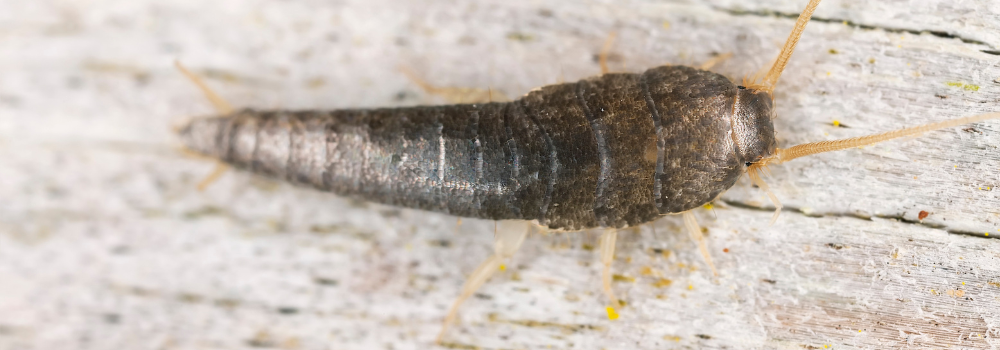
Do silverfish bite people?
Silverfish are not known to bite people. They do not feed on blood and usually move away when disturbed. Their presence is generally considered a household nuisance rather than a direct threat to people.
Are silverfish dangerous?
Silverfish are not generally considered dangerous to people. However, repeated sightings can indicate that an area provides suitable hiding places, moisture or food sources. They may also damage paper, books, wallpaper paste and some stored materials over time.
What do silverfish eat?
Silverfish feed on materials containing starches, sugars or proteins. This may include paper, cardboard, book bindings, wallpaper paste, some food residues and certain stored materials. Keeping cupboards clean and storing suitable foods in sealed containers can help remove accessible food sources.
Why do silverfish come out at night?
Silverfish are mainly active at night and prefer dark, undisturbed spaces. During the day, they often remain hidden in cracks, gaps, behind skirting boards, under stored items or inside cupboards.
Where do silverfish hide in a home?
Silverfish are commonly found in bathrooms, kitchens, utility rooms, cupboards, lofts, basements and storage areas. They often favour places that are dark, quiet or affected by excess moisture.
If you find silverfish near stored clothing, see our guide to silverfish in wardrobes and clothing storage.
Where do silverfish come from?
Silverfish may already be living unnoticed in cracks, wall voids or storage areas before they are seen. They can also be introduced with cardboard boxes, paper products or stored belongings. Their presence does not necessarily mean that a home is dirty.
What should you do after finding silverfish?
Check the surrounding area for moisture, damaged materials and possible hiding places. Vacuum thoroughly, reduce clutter, improve ventilation where appropriate and monitor the area for further activity.
For a complete step-by-step approach, read our whole-home guide to dealing with silverfish.
How can you identify the type of silverfish?
Common silverfish and long-tailed silverfish can differ in size, appearance and the areas they occupy. Visual identification is not always certain, especially when an insect is moving or partially hidden.
See our guide to the types of silverfish found in UK homes for a detailed comparison.
What should you read next?
- How to deal with silverfish activity in the home
- Common and long-tailed silverfish identification
- Silverfish around clothes and wardrobes
Originally published 23 August 2022. Last updated July 2026.